
Leírás
AXIOMTEK P710 – közlekedési ipari monitor
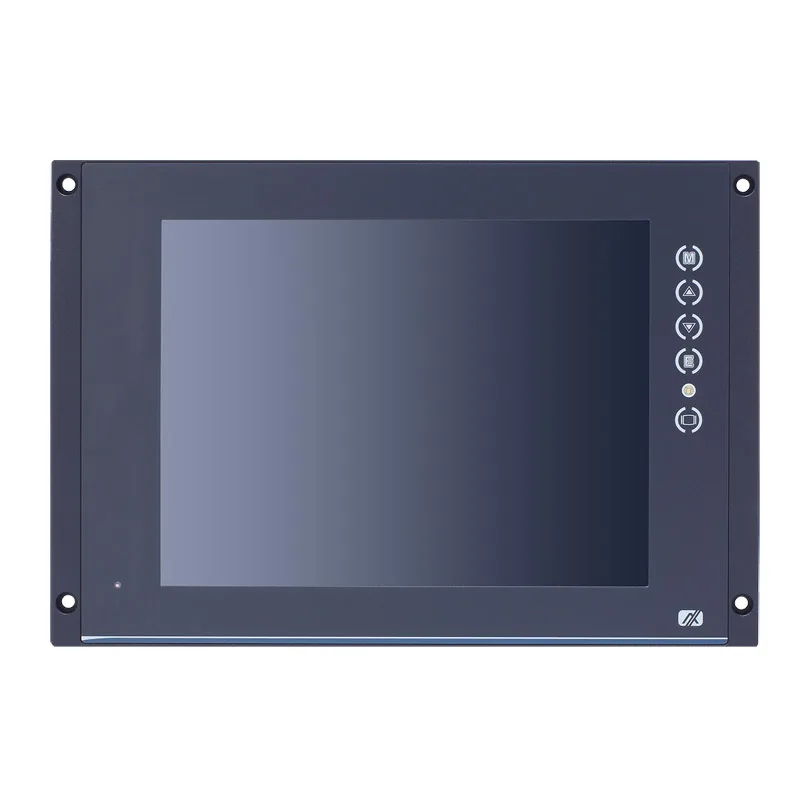
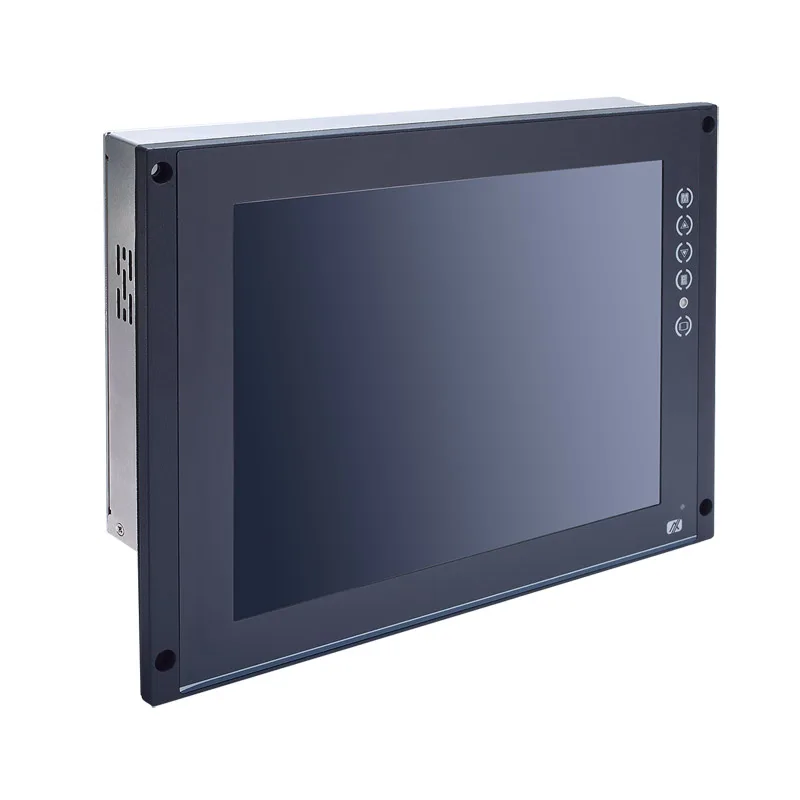
AXIOMTEK P710 közlekedési ipari monitor járműfedélzeti és utastájékoztató rendszerekhez. A tömör, egységesített leírás a legfontosabb műszaki jellemzőket és alkalmazási területeket emeli ki.
Főbb jellemzők
- Ipari védelem: tanúsított EN 50155 és EN 45545-2 standards
- Kijelző/megjelenítés: 10.4" high fényerő XGA TFT érintőképernyő LCD
- Kijelző/megjelenítés: széles viewing angle és high fényerő 500 nits
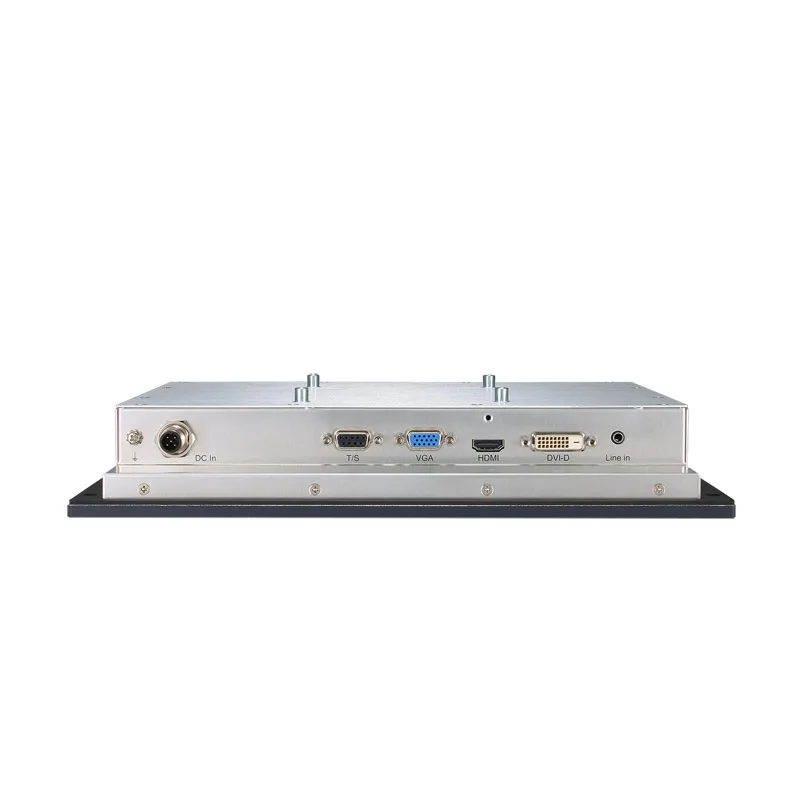
- Kijelző/megjelenítés: támogatás VGA, DVI-D, és HDMI
- Tápellátás: tipikus 24 – 110 VDC széles tápbemenet tartomány
- Üzemi környezet: 25°C – +55°C széles hőmérséklet tartomány
Ajánlott felhasználás
Utastájékoztatás, fedélzeti HMI és járműfelügyelet.
Részletes műszaki adatok
- Certified with EN 50155 and EN 45545-2 standards
- 10.4" high brightness XGA TFT touchscreen LCD
- Wide viewing angle and high brightness of 500 nits
- Supports VGA, DVI-D, and HDMI
- Light sensor for auto-dimming
- Typical 24 to 110 VDC wide power input range
- -25°C to +55°C wide temperature range
- Supports 5 OSD keys on the front bezel
Termékismertető
The P710 railway touchscreen monitor, compliant with EN 50155 standards, features a 10.4-inch XGA TFT LCD boasting 500 nits brightness and a 5-wire resistive touchscreen with an IP65-rated aluminum front bezel, ensuring both water resistance and user-friendly interface control. Designed for railway applications, it incorporates extended temperature technology, operating smoothly in temperatures ranging from -25°C to +55°C, with a fanless cooling system and compact design suitable for rolling stock and other demanding environments.
Equipped with a high brightness of 500 nits and a wide viewing angle, the P710 offers excellent readability, even under intense sunlight, ensuring users have access to information from various positions. Certified with anti-vibration design and compliant with EN 50155 and EN 61373 Cat. 1 Class B standards, the Axiomtek rugged 10.4-inch railway touchscreen monitor guarantees optimal performance on trains, withstanding vibrations encountered during operation.